Complaints Procedure for Gardeners New Malden
 When arranging garden care, a clear complaints procedure helps keep everything fair, calm, and professional. For gardeners in New Malden, it is important that any concern is handled promptly and respectfully, whether it relates to missed visits, unclear work standards, property care, or communication issues. A well-structured process gives customers confidence that their concerns will be taken seriously and reviewed in a consistent way.
The purpose of a garden maintenance complaints process is not to create conflict, but to resolve it efficiently. In most cases, concerns arise from simple misunderstandings, changing expectations, or practical mistakes that can be corrected without delay. By using a measured approach, a gardening service can protect service quality while maintaining a professional relationship with the client.
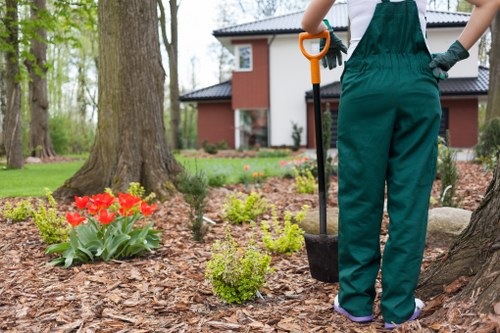 Every complaint should begin with a careful review of the issue. This means listening to the concern, identifying the specific service involved, and checking what was agreed before the work took place. Whether the matter involves hedge cutting, lawn care, planting, or seasonal maintenance, the response should focus on facts rather than assumptions. A gardening complaints policy should always encourage fair assessment and reasonable outcomes.
Receiving and Recording Concerns
Once a concern is raised, it should be documented clearly. A record of the date, the nature of the complaint, the area of the garden affected, and any previous communication will help ensure nothing is overlooked. This step is especially useful when the same issue needs to be reviewed by more than one person. A landscaping complaints process works best when information is complete and easy to follow.
The person receiving the complaint should remain polite, neutral, and attentive. It is important not to interrupt, dismiss, or become defensive. Instead, the complaint should be acknowledged with appreciation for bringing the issue forward. This does not mean admitting fault immediately; rather, it shows that the concern is being taken seriously. In professional garden services, good communication often prevents a minor issue from becoming a larger dispute.
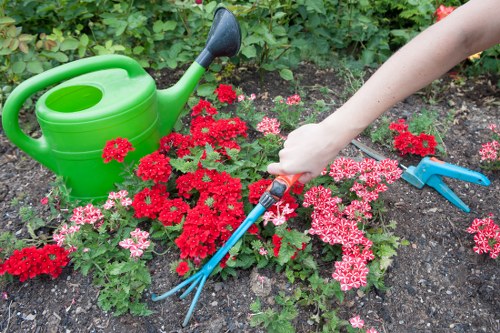 After the complaint has been logged, the next stage is to assess whether a quick correction is possible. Some concerns may be resolved by revisiting a task, clarifying instructions, or replacing damaged materials. Others may need a fuller investigation. In either case, the goal should be to provide a clear explanation and a sensible resolution within a reasonable time. A reliable garden service complaints procedure should balance speed with fairness.
Review, Response, and Resolution
Checking the Work and the Agreement
Before offering a final response, the service provider should compare the complaint with the original service agreement, notes from the job, and any relevant photos or records. This helps establish whether the issue relates to the agreed scope of work or to a misunderstanding about what was included. In many cases, a simple review can show that the work was completed correctly, while in others it may confirm that a correction is needed.
The response should be practical and easy to understand. If the complaint is upheld, the action taken might include returning to complete part of the work, adjusting the service plan, or agreeing on a suitable remedy. If the complaint is not upheld, the reason should be explained clearly and respectfully. A gardeners complaints procedure should never rely on vague answers, because transparency helps preserve trust and reduce frustration.
It is also helpful to set a realistic timescale for the investigation and response. Even if the issue cannot be solved immediately, the client should know when they can expect an update. Regular communication matters just as much as the final outcome. For New Malden gardeners, maintaining professionalism throughout the process supports long-term reliability and smooth service delivery.
Fairness, Standards, and Follow-Up
A strong complaints procedure should treat every case individually while still following the same general standards. This ensures that similar issues are handled consistently and that no complaint is ignored. A fair process should also consider whether additional training, supervision, or clearer instructions are needed to prevent repeat problems. In this way, a gardening service complaints policy becomes part of continuous improvement.
Follow-up is an important part of the process, because the end of a complaint does not always mean the end of the matter. Once a resolution has been agreed, it is sensible to confirm that the action has been completed and that the issue has not reappeared. If further concerns arise, they should be reviewed promptly. This approach shows that the service values quality and accountability.
For larger or repeated concerns, escalation may be necessary. This does not need to be complicated, but it should be clear who reviews the matter next and how the decision will be made. A garden maintenance complaints procedure works best when escalation is defined in advance and handled without unnecessary delay. Clear steps reduce uncertainty and help everyone involved understand the process.
Closing the Complaint Properly
 Before closing a complaint, the final outcome should be checked to ensure it addresses the original issue. The conclusion should be recorded, including what was agreed, what action was taken, and whether any follow-up is required. Keeping concise records helps support future service decisions and makes it easier to respond to similar concerns later on.
Even when a complaint is resolved, the tone of the final communication matters. A calm and respectful conclusion leaves the door open for continued cooperation and shows that the service takes standards seriously. In many cases, careful handling of a complaint can strengthen trust rather than weaken it. That is why a complaints procedure for gardeners should be viewed as part of responsible service management, not just a formal requirement.
 In summary, a good complaints procedure for gardening services should be clear, fair, and responsive from start to finish. It should record concerns properly, review the facts, offer a reasonable resolution, and confirm the outcome in writing where needed. When handled well, complaints become an opportunity to improve service quality and maintain dependable standards for every client.