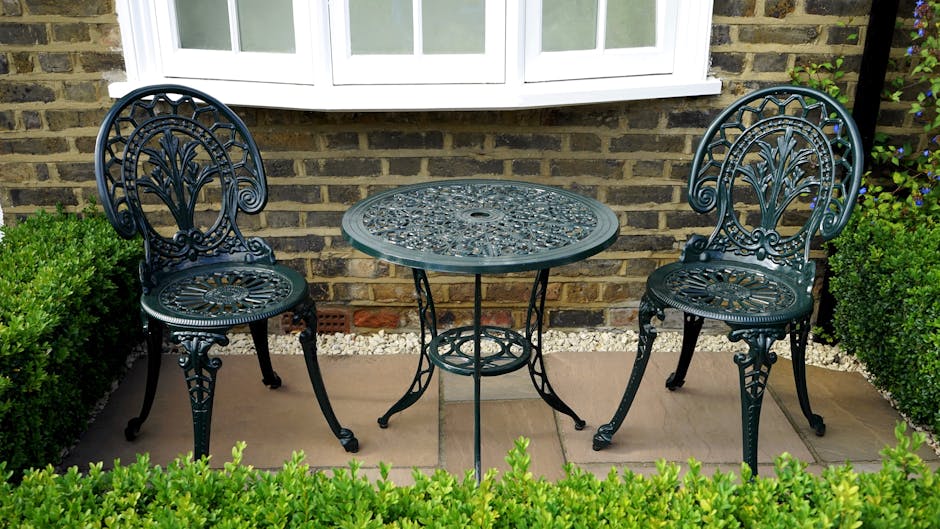
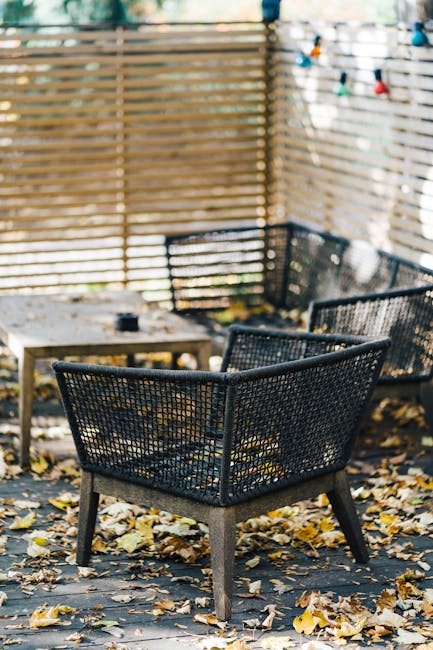
New Malden gardeners for KT3 patios and small yards: practical ideas for making compact outdoor spaces work harder
If you live in KT3, you already know the challenge: a patio that gets used for everything, a small yard that needs to feel calm rather than cramped, and a garden that has to do a lot with not much space. That is exactly where New Malden gardeners for KT3 patios and small yards can make a real difference. With the right planning, a tiny outdoor area can become a place for morning coffee, container planting, family time, or simply somewhere that looks tidy and intentional instead of awkward and overlooked.
This guide walks through how compact garden work is approached, what tends to matter most in New Malden, and how to make good choices without turning the project into a headache. You will find practical design advice, common mistakes, a comparison table, a checklist, and a few useful internal resources where a deeper dive makes sense.
Table of Contents
- Why New Malden gardeners for KT3 patios and small yards matters
- How the work usually works
- Key benefits and practical advantages
- Who this is for and when it makes sense
- Step-by-step guidance
- Expert tips for better results
- Common mistakes to avoid
- Tools, resources and recommendations
- Law, compliance, standards and best practice
- Options, methods, and comparison table
- Case study or real-world example
- Practical checklist
- Conclusion
- Frequently asked questions
Why New Malden gardeners for KT3 patios and small yards Matters
Small gardens in KT3 often have two things in common: limited floor space and a surprising amount of complexity. A patio may need to handle seating, pots, storage, slippery paving, shade from neighbouring buildings, and a constant trickle of weeds in the joints. A narrow yard might have poor airflow, patchy light, or a layout that feels more like a corridor than a garden. So yes, the space is small. But the decisions still matter quite a lot.
The benefit of working with gardeners who understand New Malden conditions is that they tend to design for real life, not just for a photo. That means choosing materials that suit the local weather, planting schemes that do not overwhelm the footprint, and maintenance routines that are realistic when you have a busy week. To be fair, that is the whole point: making the space easier to enjoy, not harder to manage.
People often search for patio and small yard help because they want one of three things: a better-looking outdoor area, less maintenance, or a layout that feels usable in all seasons. The best gardening support in a compact setting does all three at once, even if the result is subtle. A good small-space garden rarely shouts. It just works. And that is often more satisfying.
How New Malden gardeners for KT3 patios and small yards Works
Compact outdoor projects usually begin with a simple assessment. What is the space used for now, what frustrates you about it, and what do you actually want it to do? A tidy sitting area needs a different approach from a dog-friendly yard, and both are different again from a planting-heavy courtyard designed to feel soft and green.
In practical terms, the process often follows a few stages:
- Measure and observe. A good gardener looks at access, sun, shade, drainage, wind exposure, and how people move through the space.
- Prioritise the functions. Seating, storage, planting, screening, and easy cleaning do not all get equal weight in a small yard. Something has to lead.
- Choose the right structure. This could mean edging, raised planters, a compact deck area, vertical planting, or a cleaner paving layout.
- Match planting to the site. Low-maintenance plants, evergreen structure, and seasonal colour are usually the sweet spot.
- Build maintenance into the design. A small garden can still become messy fast if weeds, moss, and overgrowth are not planned for.
There is also an honest reality here: in tiny outdoor spaces, the wrong one-metre decision can make the whole area feel off. One oversized pot, one cluttered corner, one dark paving choice that shows every mark. You notice it immediately. So the best work is often about restraint.
If your space needs a broader tidy-up first, a service like regular garden maintenance can be the simplest way to stabilise the area before you invest in improvements. For surfaces that have gone dull or slippery, patio cleaning can make a surprisingly big visual difference.
Key Benefits and Practical Advantages
There are obvious aesthetic benefits to improving a patio or small yard, but the practical gains are often even more important. Once the space is properly set up, daily life gets easier. You are less likely to ignore it, and more likely to use it. That is a real shift.
- Better usability: Clear paths, sensible seating, and defined planting zones make small areas feel intentional.
- Lower maintenance: Compact planting schemes, mulch, and hardscape choices can reduce the constant background jobs.
- Improved privacy: Screening with hedges, trellis, or planting can soften overlooked yards without making them feel boxed in.
- Stronger first impression: A neat patio or yard can make a flat feel more welcoming the moment you step outside.
- More seasonal interest: Small spaces benefit from a carefully layered mix of evergreen structure and rotating colour.
One thing people sometimes underestimate is how much small improvements add up. A cleaner edge, healthier containers, and one well-placed climber can transform the feel of a yard far more than a rushed full rework. Small wins. Repeated well.
For example, a compact courtyard can gain depth by using vertical elements and layered planting rather than trying to pack in more ground cover. If that idea appeals, the guide to vertical gardening is worth a look, especially where floor space is tight.
Who This Is For and When It Makes Sense
Not every garden needs a major redesign. Sometimes the best move is simple upkeep. But for KT3 patios and small yards, specialist attention makes sense in a few familiar situations.
- You have a small patio that feels cluttered and never quite looks finished.
- You want a low-maintenance layout because the space is more ignored than enjoyed.
- Your yard gets slippery, weedy, or mossy and needs more practical surface care.
- You need privacy from neighbours or nearby windows.
- You have children, pets, or both and need safer planting and clearer zones.
- You are preparing to sell or rent and want the outside area to look cared for.
Truth be told, many small gardens are not "bad gardens" at all. They are just underused, overplanted, or arranged without a clear purpose. Once someone sees the space as a whole, the fix becomes much more obvious.
If screening is part of the plan, the article on fast-growing hedges for garden screening is helpful. For narrow corners and dimmer sides, evergreen planting for shady corners can be especially useful.
Step-by-Step Guidance
Here is a straightforward way to approach a patio or small-yard project without getting lost in details.
1. Start with how the space is used
Make a short list: sitting, dining, pots, storage, kids, dog access, herbs, screening, or simply less mess. If you do not know the primary purpose, the final layout tends to drift.
2. Clear the visual noise
Remove broken pots, weeds in the joints, dead growth, and anything that blocks movement. In compact spaces, clutter multiplies. One stray item can make the whole area feel smaller. Annoying, but true.
3. Sort the surfaces first
If paving is stained or slippery, clean it before deciding on planting. If decking is tired, deal with that before adding more decoration. A smart-looking surface makes every other decision easier.
4. Choose a structure that fits the footprint
For small yards, that often means raised beds, slim borders, wall planters, or a single focal feature rather than several competing ones. For patios, a clean seating zone plus one planting edge often beats a crowded mix of everything.
5. Select plants that behave well
Look for plants that match sun, shade, wind, and maintenance expectations. In a small garden, you want plants that stay attractive without constantly invading paths or hiding the paving.
6. Build in access and upkeep
Leave enough room to sweep, water, prune, and move furniture. If you cannot easily reach the back corner, it will soon become a forgotten patch. That happens all the time.
7. Add finishing touches slowly
Lighting, seating, pots, and decorative edging are best added once the main layout is settled. Small spaces improve when you edit, not when you keep adding.
Expert Tips for Better Results
These are the details that tend to separate a decent small garden from one that feels genuinely well considered.
- Use repeated materials. If the patio has one main paving tone, repeat it in edging or pots so the space feels coherent.
- Go lighter on choice, richer on texture. A few strong plants with different leaf shapes often look better than a jumble of mixed colours.
- Think vertically early. Walls, fences, trellis, and shelving can carry a lot of visual weight without taking up floor area.
- Keep one clear focal point. A bench, specimen plant, or simple water feature can calm a small space.
- Be careful with scale. Big pots can work, but too many big pots make a small yard feel crowded fast.
There is also a quiet trick that works well in KT3 properties: use planting to soften boundaries, but do not hide every edge. A little negative space is healthy. It gives the eye somewhere to rest. Otherwise the garden starts to feel like it is trying too hard, which gardens do sometimes, bless them.
If you are aiming for a lower-effort look, the ideas in simple low-cost, low-maintenance garden ideas are a useful companion read. For anyone who wants a calmer, more ordered feel, zen garden design ideas can be a nice source of inspiration.
Common Mistakes to Avoid
Small gardens can go wrong in familiar ways. The good news is that most of them are avoidable once you know what to look for.
- Overfilling the space: Too many pots, too many features, too many materials. The eye never gets a break.
- Ignoring drainage: Patio puddles or waterlogged planting beds quickly become a maintenance problem.
- Choosing high-maintenance plants for a busy household: Beautiful, yes. Realistic? Not always.
- Forgetting access: If a border is impossible to reach, it will get neglected.
- Using dark or heavy finishes everywhere: Some depth is fine, but too much can make a small space feel enclosed.
- Skipping the clean-up stage: A redesign on top of dirt just creates more dirt later.
We see this a lot: someone buys plants because they look nice in a nursery, brings them home, and then realises the yard is half shade and half wind tunnel. A bit of planning saves a lot of regret. The beginner-friendly first-garden guide is useful if you are starting from scratch or resetting old habits.
Tools, Resources and Recommendations
Small-space work does not always need a huge toolkit, but the right basics help a great deal. Good tools make tidy work easier, and tidy work is what compact gardens depend on.
- Hand fork and hand trowel: useful for tight planting areas and container work.
- Secateurs: essential for pruning, deadheading, and removing tired growth.
- Stiff broom or patio brush: ideal for clearing debris before it becomes embedded.
- Weed tool: especially helpful in patio joints and narrow borders.
- Watering can or compact hose setup: easier to control in confined areas.
- Planters and raised containers: good for structure, herbs, and seasonal colour.
If your garden has felt neglected for a while, the article on where to begin with an overgrown garden is a sensible starting point. For more practical kit guidance, see essential gardening tools. And if you prefer smart use of tight space, container gardening for small areas is a very relevant read.
Small note: the right tool usually saves time twice. Once when you use it, and again when you do not have to fix the mess later.
Law, Compliance, Standards and Best Practice
For most patio and small-yard work, the key is not legal complexity so much as sensible, responsible practice. That said, a few points are worth keeping in mind in the UK context.
- Waste handling: Garden waste should be disposed of responsibly. Composting works for some materials, but diseased plants, invasive weeds, and treated timber need careful handling.
- Safe access and working practices: Good gardeners use sensible manual handling, stable ladders where needed, and appropriate protective equipment.
- Neighbour awareness: In close KT3 terraces and semi-detached homes, it is polite and practical to think about noise, overspray, and boundary planting.
- Plant choice near pets or children: If dogs or small children use the space, safer plant selection matters. You can read more in the guide to dog-safe planting and landscaping techniques.
- Trust and process: When hiring help, it is sensible to check how quotations, payments, and complaints are handled. Useful reference pages include pricing and quotes, payment and security, and complaints procedure.
Where safety matters, you want straightforward answers, not vague reassurance. It is fair to ask how a job will be carried out, whether the team follows a written safety approach, and how access issues will be managed. Pages like health and safety policy, insurance and safety, and terms and conditions are the kind of trust signals people should look for before booking any external work. Nothing fancy. Just sensible.
Options, Methods, and Comparison Table
There is more than one way to improve a patio or small yard, and the right choice depends on what you want from the space. Here is a simple comparison of common approaches.
| Approach | Best for | Strengths | Watch-outs |
|---|---|---|---|
| Basic tidy and maintenance | Spaces that already work but look tired | Fast, cost-conscious, keeps things manageable | Does not solve deeper layout problems |
| Patio refresh and cleaning | Slippery, stained, weathered hard surfaces | Immediate visual improvement, safer underfoot | May need repeating as part of seasonal upkeep |
| Planting-led redesign | Courtyards and yards that need softness and colour | Can add life without using much space | Needs good plant selection to avoid overcrowding |
| Structural upgrade | Spaces with layout or access issues | Improves usability, privacy, and overall shape | Usually more involved and should be planned carefully |
| Screening and vertical planting | Overlooked or narrow gardens | Makes small spaces feel more sheltered and layered | Needs balance so it does not feel boxed in |
For many KT3 homes, the best result comes from mixing two approaches rather than choosing only one. A cleaned patio plus a modest planting scheme often beats a dramatic redesign that is too ambitious for the footprint. Subtle can be very good.
If you are comparing garden jobs beyond patios and yards, services like general gardening services, landscaping, decking services, and fencing may also be relevant depending on your layout and privacy needs.
Case Study or Real-World Example
Picture a typical KT3 back yard: narrow, paved, a bit shaded, with a couple of tired pots and weeds around the edges. It is not a disaster, just a space people avoid. Nothing dramatic. It simply does not invite you in.
A practical rework might start with a thorough clean, then a rethink of the layout. One side could be kept clear for movement and a foldable chair. The other side might take two layered planters with evergreen structure and seasonal herbs. A climbing plant on a fence or trellis adds height without taking floor space. The final piece is often the least flashy: a good sweep, a few tidy finishes, and a regular upkeep plan. That is usually where the transformation really lands.
In a real setting like this, the biggest change is often psychological. Once the space is orderly, the owner starts using it again. Breakfast outside. A quick cuppa in the evening. A place to stand and breathe for a minute after work. It sounds small, but it matters.
If the garden has a bit of personality to build on, features from garden seating ideas or simple seating-space planning can help turn "unused corner" into a proper spot. And for structure in awkward areas, the guide on dealing with windy gardens is surprisingly relevant, because small yards can be breezy in ways people do not expect.
Practical Checklist
Use this checklist before starting work on a patio or small yard in KT3.
- Identify the main purpose of the space.
- Measure the usable area, not just the full boundary.
- Check sunlight, shade, wind, and drainage.
- Clear weeds, dead growth, and broken items first.
- Decide whether the surface needs cleaning or repair.
- Choose one main style or mood for the space.
- Use scale-appropriate pots, furniture, and edging.
- Select plants that suit the site and your maintenance tolerance.
- Leave enough room to move, sweep, and water comfortably.
- Plan for ongoing care rather than a one-off finish.
Expert summary: In small KT3 gardens, the best results usually come from editing first, then adding structure, then planting carefully. If you reverse that order, the space can quickly feel busy, even if each individual part looks nice on its own.
For ongoing upkeep after the first tidy-up, lawn care and lawn mowing may be useful if your small yard includes even a modest strip of grass. If the job is more about keeping surfaces neat and boundaries in shape, hedge trimming in New Malden is another relevant support service.
Conclusion
New Malden gardeners for KT3 patios and small yards are really about making compact spaces feel intentional, calm, and workable. Not overdone. Not fussy. Just well thought through. When the layout suits the way you live, a small patio becomes a place you actually enjoy using, and a narrow yard stops feeling like an afterthought.
The best approach is usually simple: clean what is already there, fix the practical issues first, then add plants and features that genuinely fit the footprint. Keep the design honest. Keep maintenance realistic. And if you are not sure where to start, begin with one clear improvement rather than trying to solve everything in one go.
Get a free quote today and see how much you can save.
Sometimes the smallest gardens end up being the most satisfying ones, because every good decision shows. And that is a lovely thing, really.
Frequently Asked Questions
What do New Malden gardeners for KT3 patios and small yards usually help with?
They usually help with cleaning, planting, layout improvements, edging, weed control, privacy screening, patio refreshes, and making small outdoor spaces easier to maintain. In compact gardens, practical organisation matters as much as appearance.
Can a small yard really be made to look bigger?
Yes. Clear lines, repeated materials, vertical planting, and restrained use of furniture or pots can all create the feeling of more space. It is less about size and more about how the eye moves through it.
Is patio cleaning worth it for a small outdoor area?
Usually, yes. A clean patio often changes the feel of the whole garden straight away. It can improve safety, remove dull staining, and make surrounding planting look much better too.
What plants work best in a small KT3 yard?
Plants that stay compact, tolerate the site conditions, and offer year-round structure tend to work best. Evergreen shrubs, herbs, shade-tolerant plants, climbers, and container-friendly choices are common winners.
How do I make a small patio feel less cluttered?
Limit the number of features, choose a single focal point, and use a consistent colour palette. Also, keep some open paving visible. Counter-intuitive, maybe, but it helps the space breathe.
Are low-maintenance gardens possible in a small yard?
Absolutely. Low-maintenance usually means sensible plant selection, weed control, good surfaces, and a layout that is easy to clean. A small garden can actually be easier to manage than a larger one if it is planned well.
What is the best way to add privacy without making a yard feel boxed in?
Soft screening works well. Trellis, climbing plants, layered hedging, or slim evergreen planting can create privacy while still letting light and air move through the space.
How often should a compact patio or yard be maintained?
That depends on how the space is used and how much planting it has. Many small gardens benefit from light, regular attention rather than big infrequent jobs. A little and often approach tends to work best.
Do I need landscaping, or is basic gardening enough?
If the main issue is weeds, overgrowth, or tired planting, basic gardening may be enough. If the layout, surfaces, or boundaries feel wrong, then landscaping is usually the better route. The difference is practical, not just cosmetic.
What should I ask before booking local garden help?
Ask what is included, how the work will be priced, what safety measures are followed, whether waste is removed, and how long the job is likely to take. Clear answers at the start save a lot of awkwardness later.
Can small gardens support herbs or edible planting?
Yes, very well. Herbs are often ideal for patios and yards because they fit containers, smell good, and are useful day to day. A compact edible corner can be both practical and attractive.
What is the biggest mistake people make with small garden design?
Trying to do too much. Too many features, too many plant types, too many colours, too many pots. A small garden usually benefits from restraint and repetition rather than constant variety.