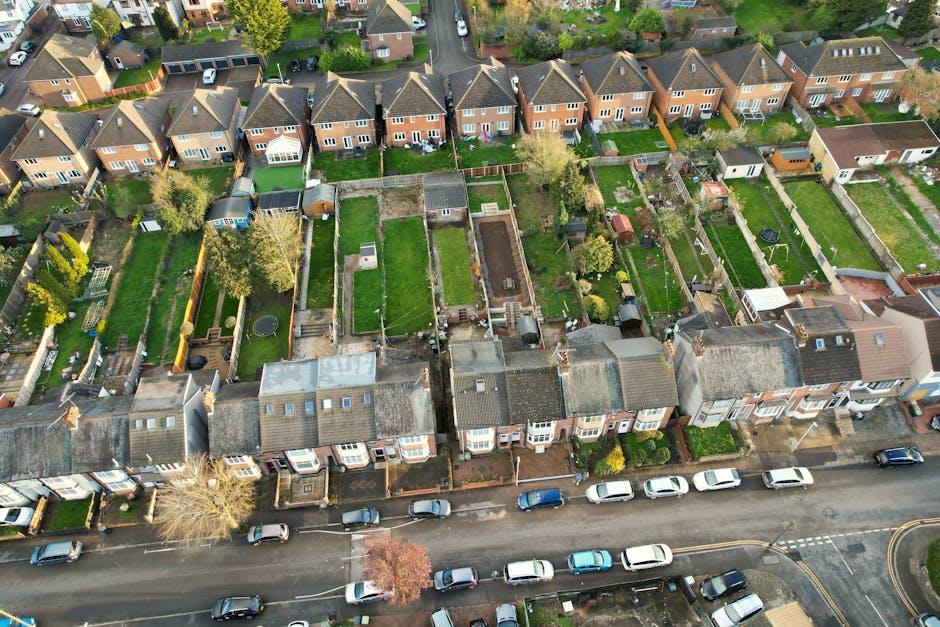
Garden maintenance tips for New Malden High Street homes
If you live near New Malden High Street, you already know the rhythm of a town-centre home garden is a bit different. Space can be tighter, front gardens take more wear, hedges need to stay neat, and shaded corners or windy spots can catch you out when you least expect it. Good garden maintenance tips for New Malden High Street homes are not about making everything perfect. They are about keeping the space tidy, healthy, and easy to enjoy without it becoming a second job.
In this guide, we'll walk through what really matters: seasonal care, practical routines, common mistakes, and the kind of maintenance choices that suit busy homes, period properties, terraces, and compact plots around the High Street. There's a little bit of everything here, from quick wins to longer-term planning, because truth be told, a good garden usually comes from steady habits rather than heroic weekend efforts.
Expert summary: Start with the basics, keep a realistic routine, and focus on the parts of the garden that affect daily use first: lawns, paths, hedges, planting beds, and any areas that get messy fast. If you build maintenance around those priorities, the rest becomes much easier to manage.
Table of Contents
- Why garden maintenance matters on New Malden High Street
- How garden maintenance works in a local home setting
- Key benefits and practical advantages
- Who needs this and when it makes sense
- Step-by-step guidance
- Expert tips for better results
- Common mistakes to avoid
- Tools, resources and recommendations
- Law, compliance, standards and best practice
- Options, methods, or comparison table
- Case study or real-world example
- Practical checklist
- Conclusion
- Frequently asked questions
Why Garden maintenance tips for New Malden High Street homes Matters
Homes near a busy high street usually face a slightly different set of gardening pressures. You may get more foot traffic, more roadside dust, less privacy, and more visual exposure. That means the garden is doing more than "looking nice"; it is helping your home feel calm, private, and cared for from the moment someone passes by. A scruffy hedge or tired front border stands out quickly in this setting.
There's also the practical side. A garden that is left too long between visits becomes harder to manage, not easier. Weeds root deeper, lawns get patchy, hedges thicken unevenly, and patios develop algae or staining that takes much longer to shift. If you've ever looked outside after a damp spell and thought, "Well, that got away from me," you're not alone.
For New Malden High Street homes, regular maintenance matters because it protects both kerb appeal and day-to-day use. A tidy garden can make a small frontage feel bigger, turn a narrow yard into a usable extension of the house, and reduce the frustration of constant little jobs piling up into one giant job. It also helps planting survive the real-world conditions of town living: shade from buildings, fluctuating moisture, occasional wind, and the odd bit of compacted soil where people or pets keep using the same route.
Gardens in these homes often benefit from a practical, low-drama approach rather than a highly delicate one. That is why so many people end up choosing simple, repeatable routines, or bringing in help for specific tasks such as routine garden maintenance, hedge work, or seasonal tidy-ups.
How Garden maintenance tips for New Malden High Street homes Works
Good maintenance starts with observation. Before you cut, feed, mulch, or trim anything, step back and look at how the space is behaving. Where does water sit after rain? Which plants are leaning toward the light? Which area makes the garden look messy first? These small observations tell you where to spend your time.
In practice, garden maintenance works best as a cycle:
- Assess the space for weeds, overgrowth, pests, damage, and seasonal stress.
- Prioritise the jobs that affect health and appearance most, such as mowing, edging, pruning, and clearing debris.
- Carry out the work in manageable sessions rather than trying to do everything at once.
- Support recovery with watering, feeding, mulching, or soil improvement where needed.
- Repeat on a realistic schedule that suits the weather and the garden's growth rate.
That rhythm matters. A compact High Street garden can look brilliant with surprisingly little effort if the right tasks are done consistently. The opposite is also true. One missed month in spring, when everything is growing fast, can create a long catch-up period in summer. Not ideal.
Maintenance also changes with the layout. Front gardens need clean edges, neat boundaries, and simple planting that won't block paths. Rear gardens usually need more attention to lawns, seating areas, and plant health. If you have fencing, decking, or raised beds, those features need their own regular checks too, because the garden is only as tidy as its least-loved corner.
Key Benefits and Practical Advantages
There are obvious benefits to keeping a garden in shape, but a few of the less obvious ones are worth spelling out.
- Better first impressions: A tidy front garden gives a home a cared-for feel without needing expensive redesign work.
- Less long-term work: Small, regular tasks stop weeds, moss, and tangled growth from building up.
- Healthier plants: Pruning, feeding, and clearing dead material reduce stress on shrubs, hedges, and borders.
- Safer access: Clear paths and clean surfaces lower the risk of slipping and tripping, especially after rain.
- More usable space: Even a modest yard feels better when it's organised rather than crowded.
- Improved privacy: Managed hedges and screening planting can soften the view from the street.
One practical advantage that gets overlooked is how maintenance helps you spot problems early. A failing plant, loose fence panel, blocked drain edge, or patch of diseased turf is much easier to deal with when it's noticed on a routine visit. In a small garden, those little signs appear quickly, and they matter.
If you are also trying to keep the garden family-friendly or pet-friendly, regular upkeep helps you choose where to place safe plants, where to leave open ground, and where to avoid clutter. You might find useful ideas in the guide on dog-safe planting and landscaping techniques if pets use the space often.
Who This Is For and When It Makes Sense
This advice suits a wide range of homeowners and tenants in and around New Malden High Street. In our experience, the people who benefit most are not necessarily keen gardeners. Often it's the busy ones. People who want the garden to stay presentable without turning every weekend into a maintenance marathon.
It makes sense for you if:
- your front garden is visible from the street and needs to stay neat
- your rear garden is compact and prone to clutter or overgrowth
- you have hedges, borders, or lawn areas that need regular attention
- you want the space to feel calm, tidy, and usable year-round
- you are preparing to sell, rent out, or simply improve the home's presentation
- you need practical upkeep rather than a complete redesign
It also makes sense if your garden suffers from specific local conditions. Some homes near the High Street are shaded by neighbouring buildings; others feel exposed to wind or seasonal weather swings. If that sounds familiar, the article on dealing with windy gardens can help you think through plant choice and structure.
And if your garden has become a little wild after a busy period, that's not a failure. Happens to everyone. The smart move is to reset it steadily, not to chase perfection in one Saturday.
Step-by-Step Guidance
Here's a practical approach that works well for most New Malden High Street homes. It's simple, but simple is often what gets done.
1. Start with a quick seasonal survey
Walk the whole garden and note what is changing. Look for weeds, dead stems, overhanging branches, moss, compacted soil, and anything blocking light or movement. A five-minute scan can save you an hour later.
2. Clear the obvious problem areas first
Pick the most visible or most damaging areas first. That might be the front path, the hedge line, a weedy border, or the lawn edge. Once those are under control, the rest of the garden usually feels less overwhelming. A bit of momentum goes a long way.
3. Tidy hedges and shrubs before they bulk out
Hedges can grow quickly in the warmer months, and if they are near a walkway or road-facing boundary, they need disciplined trimming. Don't wait until they are dragging on fences or narrowing paths. If your boundary planting is becoming awkward, it may help to review hedge trimming in New Malden and related shaping work.
4. Keep on top of weeds while they are young
Weeds are much easier to remove early, before they set seed or spread across joints, beds, or gravel. Work after rain if the soil is soft enough, and remove roots carefully. For a more focused approach, see the guide to successful weed management.
5. Feed the soil, not just the plants
A healthy garden starts below the surface. Top up borders with compost or mulch where appropriate, especially if the soil looks tired or dries out too quickly. If you have green waste from pruning and clearing, it can often be reused intelligently. There's a useful angle in harnessing waste for soil regeneration.
6. Mow and edge the lawn properly
If you have a lawn, don't just cut it-define it. Clean edges make a huge visual difference, especially in smaller town gardens. Mowing more often in spring and early summer generally keeps the turf healthier than letting it grow long and then scalping it short. If the lawn is patchy or mossy, broader lawn care may be needed, not just mowing.
7. Clean patios, paths, and hard surfaces
Slippery patios and stained paths can make even a well-kept garden feel neglected. Sweep debris regularly and remove algae or mildew before it becomes slippery. After a wet spell, the difference is often dramatic. If the space needs more than a sweep, patio cleaning can restore a surprisingly fresh look.
8. Check structural elements while you're there
Look at fencing, decking, trellis, gates, and sleepers for wear, rot, looseness, or movement. These features age quietly, then suddenly. If a fence panel is wobbling or a deck board feels soft underfoot, deal with it promptly. That is where fencing support or decking services may come in handy.
9. Finish with a light reset
Water what needs it, pick up debris, return tools, and step back. A garden often feels better after a small, tidy finish than after a big, messy effort. Funny how that works.
Expert Tips for Better Results
These are the kinds of details that separate "done" from "done well".
- Work with the garden's pace, not against it. Fast-growing hedges and lawns need more frequent light attention rather than occasional heavy cuts.
- Use mulch strategically. A good mulch layer helps retain moisture, suppress weeds, and keep borders looking intentional.
- Match planting to the site. Shaded corners, windy spots, and dry strips each need different plant choices. The article on evergreen planting for shade is useful if you have awkward darker areas.
- Choose low-maintenance structure where possible. Ground covers, evergreen shrubs, and simple planting groups reduce upkeep over time. If you want ideas, low-cost, low-maintenance garden ideas are worth a look.
- Think in zones. A front garden, seating area, and planting bed each need slightly different attention. Don't treat the whole space the same.
- Keep tools sharp and clean. Blunt blades tear stems and make trimming harder. Not glamorous, but it matters.
A useful rule of thumb: if a task takes under ten minutes and keeps the garden healthier, do it now. Waiting usually costs more later.
If you're trying to make the most of a compact plot, container planting can also reduce fuss while adding colour and flexibility. See container gardening as a space-saving solution for a practical starting point.
Common Mistakes to Avoid
Most garden maintenance problems are not dramatic. They are small habits that quietly add up.
- Leaving jobs too long: A fortnight of growth can become a month of catch-up, especially in spring and early summer.
- Cutting too hard: Heavy hedge cuts or harsh pruning can stress plants and leave gaps that take time to recover.
- Ignoring drainage or standing water: If an area always stays soggy, maintenance alone won't fix it.
- Using one solution for everything: A lawn, border, gravel path, and hedge all need different care. Obvious, perhaps, but easily forgotten.
- Overfeeding plants: More fertiliser is not always better. Too much can create weak, lush growth that flops or attracts pests.
- Forgetting seasonal timing: Some pruning is best done at specific times of year, and getting that wrong can reduce flowering or shape.
Another common mistake is treating a tired garden as though it only needs one big tidy-up. Sometimes it does need an initial reset, but long-term success depends on follow-through. That's the bit people underestimate.
If the garden has become tangled or neglected, a gentle reset can work better than an aggressive clean-out. The guide on where to begin with a wild garden offers a good mindset for that first stage.
Tools, Resources and Recommendations
You do not need a shed full of kit to keep a High Street garden in order. A modest, reliable set of tools is usually enough.
| Tool or resource | Best use | Why it helps |
|---|---|---|
| Hand pruners / secateurs | Small stems, deadheading, light shaping | Fast, precise cuts and less plant damage |
| Hedge trimmer | Regular hedge shaping | Keeps boundaries neat and even |
| Rake and stiff broom | Leaves, clippings, path debris | Quick tidy-up with a visible impact |
| Fork or hand cultivator | Loosening soil and removing weeds | Helps before mulching or planting |
| Wheelbarrow or garden trug | Moving waste and materials | Makes small jobs much less tiring |
| Seasonal maintenance schedule | Planning tasks month by month | Stops important work slipping through the cracks |
For many homeowners, the right "resource" is not a tool but a good routine. A monthly check, a spring reset, and a proper autumn clear-down can do more than random bursts of enthusiasm. If you want a basic grounding before tackling more specific tasks, the beginner's gardening guide is a sensible companion read.
When you do need help beyond standard upkeep, it is worth choosing services that match the job rather than overbuying. For example, regular mowing is different from broader gardening services, and both are different again from landscaping or tree work.
Law, Compliance, Standards and Best Practice
For most home garden maintenance, there is no complicated compliance process. Still, there are a few sensible best-practice points to keep in mind.
Boundary and neighbour awareness: If hedges or branches cross property lines, or block light and access, it is better to deal with the issue carefully and politely. Good neighbour relations matter, and a tidy, measured approach usually avoids trouble.
Safety first: Use ladders, cutting tools, and power equipment carefully. If a task involves height, heavy lifting, unstable ground, or major cutting back, it may be better handled by a trained professional. The site's insurance and safety information is a useful reminder of why this matters.
Waste handling: Garden waste should be stored, moved, and disposed of responsibly. Compostable material can sometimes be reused, but diseased clippings, invasive weeds, or contaminated waste should not be spread back through the garden.
Working practices: Reliable contractors should have clear terms, transparent pricing, and sensible safety procedures. If you are comparing options, pages such as pricing and quotes, terms and conditions, and payment and security help set expectations.
If you hire help, ask straightforward questions: What is included? How often should it be repeated? What happens if weather delays the work? Clear answers are a good sign. So is a company that speaks plainly.
Options, Methods, or Comparison Table
There are usually three ways to keep a New Malden High Street garden under control. Which one suits you depends on time, budget, and how hands-on you want to be.
| Approach | Best for | Strengths | Limitations |
|---|---|---|---|
| DIY maintenance | Smaller gardens, confident homeowners | Flexible, lower direct cost, full control | Time-consuming, easy to fall behind |
| Occasional tidy-up visits | Busy households that need periodic reset | Good for seasonal catch-up and problem areas | Less consistent than regular care |
| Regular professional maintenance | Visible front gardens, demanding plots, limited time | Consistent standard, less stress, better continuity | Ongoing service cost |
If your garden has one or two obvious trouble spots, a targeted service may be enough. For instance, a hedge that grows quickly can be handled separately from lawn care. A paved entrance may need cleaning, while the planting beds just need tidying and mulch. You do not have to do everything the same way. In fact, you probably shouldn't.
Case Study or Real-World Example
Picture a typical High Street home with a narrow front garden, a modest rear patio, and a hedge running along one boundary. Nothing huge. Nothing extravagant. Just enough space for plants, bins, a path, a small table, and the usual day-to-day mess that homes collect.
At first glance, the garden looks fine, but on closer inspection the hedge is bulging outward, weeds have settled into the paving joints, the lawn edge is soft and fuzzy, and a couple of shrubs are crowding the path. The garden isn't "bad" exactly. It's just drifting.
The maintenance fix is straightforward:
- trim the hedge back to a clean line
- clear weeds from the paving and border edges
- redefine the lawn edge
- remove dead growth from the shrubs
- clean the patio so the seating area feels usable again
- mulch the beds to slow down regrowth
After that, the difference is not subtle. The front of the house feels sharper, the patio feels like an actual space rather than a storage area, and the garden takes less effort the following month because the baseline is better. That is the real win. Less effort later.
If the hedge is the main issue, dedicated fast-growing hedge advice and hedge shaping ideas can help you decide whether to maintain, reshape, or replace.
Practical Checklist
Use this quick checklist to keep your garden on track through the year.
- Walk the garden once a week and note obvious issues
- Remove weeds before they flower or seed
- Trim hedges and shrubs before they block paths or windows
- Mow lawns at a sensible height, not too short
- Edge borders and paths for a cleaner finish
- Sweep patios, steps, and entrances regularly
- Check fence panels, gates, and deck boards for wear
- Top up soil or mulch where beds look tired
- Water containers and new planting more carefully in dry periods
- Clear fallen leaves and debris before they become slippery or soggy
- Review shaded, windy, or awkward corners separately
- Book extra help when a job is too large, too high, or too repetitive
That list may look simple, but it covers the work that keeps most home gardens feeling under control. Simple is often enough. Really.
Get a free quote today and see how much you can save.
Conclusion
For New Malden High Street homes, garden maintenance works best when it is regular, realistic, and suited to the actual space you have. A compact garden does not need grand plans to feel good. It needs attention in the right places, done often enough that problems do not have time to snowball.
Focus on the essentials: tidy edges, healthy hedges, manageable lawns, clean paths, and planting that matches the site. Add a few thoughtful improvements along the way, and the garden becomes easier to live with as well as nicer to look at. That is the sweet spot, honestly.
If you want support with the jobs that eat up time or need a more professional finish, start with the right service rather than trying to force everything into one weekend. And if your garden is feeling a little unloved right now, don't worry too much. Most of them recover beautifully once someone gives them a proper bit of attention.
A well-kept garden does not shout. It quietly makes home feel better.
Frequently Asked Questions
How often should I maintain a garden near New Malden High Street?
For most homes, a light weekly check and a more thorough monthly tidy works well. In spring and early summer, you may need to do a bit more because growth speeds up quickly.
What is the most important task in garden maintenance?
It depends on the garden, but for many High Street homes the most important jobs are weed control, hedge trimming, lawn care, and keeping paths clear and safe.
Is professional garden maintenance worth it for a small garden?
Yes, especially if the space is visible from the street, you are short on time, or the garden has repeated problem areas. Small gardens can be more fiddly than large ones.
What should I do first if my garden has become overgrown?
Start by clearing access routes and tackling the most visible growth first. Then work through weeds, hedges, lawn edges, and any debris or dead material. A structured reset helps a lot.
How do I keep a front garden looking neat with minimal effort?
Choose simple planting, keep hedges and edges trimmed, and avoid letting weeds establish in borders or paving. A tidy front garden usually relies on repeat maintenance rather than big redesigns.
When is the best time to trim hedges?
It varies by plant type and season, but regular light trimming is usually better than infrequent heavy cuts. If the hedge is near a boundary or path, keep it in check before it becomes awkward.
Can patio cleaning really change the look of a garden?
Absolutely. A clean patio or path can make the whole space look fresher, brighter, and more usable, especially after damp weather or leaf fall.
What are the biggest mistakes homeowners make with garden upkeep?
The biggest ones are leaving tasks too long, cutting too hard, ignoring drainage, and assuming one-off work will solve ongoing growth problems. Regular care is usually the answer.
Are low-maintenance gardens possible in a town-centre setting?
Yes. Using evergreen structure, ground covers, containers, and sensible hard landscaping can reduce workload significantly. You can also keep the design simple on purpose.
Do I need to worry about safety or insurance for garden work?
Yes, especially for work involving ladders, power tools, heavy cutting, or height. It is sensible to use providers who take safety seriously and can explain their process clearly.
How do I know whether I need garden maintenance or landscaping?
If the garden mostly needs upkeep, tidying, and care, maintenance is the right place to start. If you want to change the layout, install new features, or redesign the space, landscaping is more appropriate.
Where can I get help if I want a regular service?
You can explore the relevant service pages, and if you are ready to discuss the garden in more detail, use the contact page to ask about the kind of support that fits your home and budget.