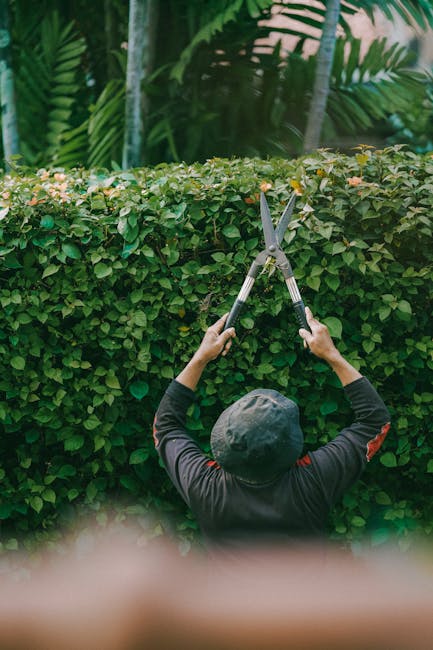
Common mistakes hiring New Malden gardeners and what to know
Hiring a gardener sounds straightforward until you're halfway through a job and realise the quote was vague, the timing was off, or the work done doesn't quite match what you expected. That's where common mistakes hiring New Malden gardeners and what to know becomes more than a search phrase - it's the difference between a tidy, well-kept garden and a frustrating, expensive redo.
In New Malden, gardens can be small, shaded, sloped, overgrown, or a bit of everything at once. So whether you need regular upkeep, hedge trimming, lawn care, or a bigger clear-out, choosing the right person matters. This guide walks through the mistakes people most often make, what good service should look like, and how to approach the job calmly, properly, and with fewer surprises.
Why Common mistakes hiring New Malden gardeners and what to know Matters
Garden work is one of those services that looks simple until it isn't. A lawn can be cut badly and still "look okay" for a few days. A hedge can be trimmed too hard and then spend months recovering. A patio can be cleaned with the wrong method and end up stained instead of refreshed. So the stakes are higher than they first appear.
For New Malden homeowners, landlords, and small business owners, the biggest issue is often not the gardening itself. It's the gap between expectation and delivery. That gap usually comes from poor communication, unclear scope, rushed quotes, or choosing the cheapest option without checking what is actually included. To be fair, everybody wants value. But value is not the same thing as the lowest number on a page.
Good garden care should make life easier. Bad garden care creates more work. And if a contractor is handling heavier jobs like garden clearance, tree surgery, or patio cleaning, the wrong decision can also affect safety, property condition, and your budget. That is why knowing the common mistakes matters before you book anyone.
How Common mistakes hiring New Malden gardeners and what to know Works
Hiring a gardener is really a process of matching three things: the work you need, the standard you expect, and the level of service the provider can actually deliver. Simple in theory. Slightly messier in real life, especially when overgrown borders, blocked access, or an urgent turnaround are involved.
The process usually starts with a site visit, photos, or a clear description of the garden. From there, a gardener should identify the task, time needed, materials or equipment required, and any constraints. For example, a one-off mow is not the same as ongoing garden maintenance. A hedge that just needs shaping is very different from one that needs a full reduction. It sounds obvious, but this is where many bookings go sideways.
What you want is clarity. If a gardener says they can help, that should come with specifics: what they'll do, what they won't do, what might change the price, and how they handle waste, access, timing, and payment. If any of that is fuzzy, you are already in shaky territory.
Good gardeners also tend to be transparent about practical limits. For example, some jobs are best split into stages. A severely overgrown plot may need initial clearance, followed by maintenance visits. That's not a sales trick. It's often the most sensible way to protect the garden and manage cost.
Key Benefits and Practical Advantages
When you hire well, the benefits go beyond "the garden looks tidy." A careful, reliable gardener saves time, reduces stress, and helps the property stay in better shape through the year. In a place like New Malden, where gardens can change quickly with the seasons, that ongoing care can make a real difference.
- Better appearance: regular cutting, shaping, and cleaning keeps the garden looking cared for rather than neglected.
- Healthier plants and turf: sensible lawn care and pruning support stronger growth.
- Less expensive catch-up work: steady maintenance is usually easier than tackling months of neglect.
- Safer outdoor spaces: reduced trip hazards, clearer paths, and better visibility around trees and boundaries.
- More usable space: a garden you can actually sit in, rather than one you avoid because it's a bit wild at the edges.
There's also a mental benefit people underestimate. A neat front garden, a clipped hedge, or a clean patio changes how a home feels. You notice it when you come back after work on a grey Tuesday and the place suddenly looks ordered. Small thing, maybe. But not really small.
Who This Is For and When It Makes Sense
This guide is for anyone hiring garden help in New Malden and wanting to avoid avoidable mistakes. That includes homeowners, tenants with permission to arrange work, landlords, property managers, and people preparing a property for sale or letting.
It makes sense if you need any of the following:
- regular mowing or border tidying
- hedge trimming or shaping
- lawn care for patchy, tired, or mossy grass
- landscaping or a small redesign
- fencing repairs or replacement
- decking or paved area refreshment
- clearing a neglected or inherited garden
If the job is more involved, a broader service may be more suitable than a one-off visit. For example, a garden that needs reworking from top to bottom may be better handled through landscape gardening or landscaping, rather than asking for a quick tidy and hoping for the best. That hope-and-pray approach? It's usually where disappointment starts.
Step-by-Step Guidance
If you want a smoother experience, work through the hire process in a calm, practical order.
- Define the job clearly. Write down the exact areas and tasks: lawn, hedge, border, fence line, patio, trees, clearance, or all of the above.
- Take photos in daylight. Morning or early afternoon light usually shows the garden honestly. Shadows can hide a lot.
- Ask what is included. Check whether waste removal, materials, fuel, labour time, and follow-up visits are part of the quote.
- Compare like with like. One quote might include clearance and disposal, another might not. That difference matters more than a slightly lower headline figure.
- Confirm timing and access. Gates, parking, power, water, and neighbour access can all affect the job.
- Agree the expected finish. For example: "hedges straightened and reduced lightly" is clearer than "do the hedges."
- Get everything confirmed. A written quote or clear written summary avoids the awkward "I thought that was included" conversation later.
One small but useful habit: ask what would count as a change to the original scope. That alone can save a lot of back-and-forth later.
If you're considering ongoing care, it may also help to look at the provider's general approach to gardening services and whether they have a clear way of handling recurring visits. Consistency is often what keeps a garden from slipping again.
Expert Tips for Better Results
Here's the short version from real-world garden work: the best outcomes usually come from being specific, realistic, and slightly boring about the details. Boring in a good way.
Tip 1: Prioritise clarity over enthusiasm. A cheerful "yes, no problem" is lovely, but it should be followed by a concrete explanation of how the job will be done.
Tip 2: Break bigger jobs into stages. If the garden is heavily overgrown, it may be wiser to do a clearance first and maintenance later. That can be easier on the budget and the plants.
Tip 3: Ask about waste handling. A pile of cuttings looks harmless until it's sitting there three days later. If you want waste taken away, confirm it plainly.
Tip 4: Think about the season. In spring and early summer, growth can move fast. In autumn, leaf fall and damp conditions change the workload. Timing matters, even for a simple lawn cut.
Tip 5: Use the right service for the right task. Not every gardener is the best fit for every job. For instance, hedge work, lawn care, and tree work all have different demands. A gardener who handles hedge trimming well may not be the right choice for more technical tree work, and that's perfectly normal.
One more thing: don't be embarrassed to say what you don't know. A good professional would rather explain options than guess. Truth be told, guessing is how silly mistakes start.
Common Mistakes to Avoid
This is the part most people come for. These are the mistakes that crop up again and again when hiring garden help in New Malden.
1. Choosing only on price
The cheapest quote can be fine, but it can also be incomplete. Sometimes it leaves out waste removal, tools, or the time needed to finish properly. Always compare what's included, not just the total.
2. Not defining the scope
"Tidy the garden" means different things to different people. One person imagines a full reset; another thinks of light pruning and a sweep. Without detail, expectations drift.
3. Forgetting to ask about insurance and safety
For anything involving ladders, power tools, trees, or heavier clearance, you should be comfortable with how the work is managed. It's sensible to ask about insurance and safety and whether the team follows a documented health and safety policy. No drama - just good practice.
4. Ignoring evidence of experience
If a provider can't explain how they handle common garden problems, that's a warning sign. You want practical confidence, not vague promises. Especially for awkward spaces, uneven lawns, or mature planting.
5. Assuming waste removal is automatic
It often isn't. Always ask whether the gardener will bag waste, remove waste, compost green cuttings, or leave everything neatly stacked for you. Those details change the experience a lot.
6. Booking major work at the wrong time
Some jobs are better timed around plant growth or weather. A damp week can make patio work messy. A hot, dry spell changes how turf should be handled. You don't need a botany degree, just a bit of common sense.
7. Not checking payment terms
Clarify when payment is due, what methods are accepted, and whether deposits apply. If anything sounds unclear, it probably deserves a follow-up. It's much easier to ask before the job starts than after.
8. Treating specialist work like general tidying
Tree work, heavy clearance, fencing, and decking are not the same as routine maintenance. If you need something more involved, use the appropriate service rather than hoping a general visit will somehow cover it. For example, if your boundary is falling apart, a dedicated fencing job is a better fit than a standard tidy-up.
9. Forgetting aftercare
A freshly cut hedge or cleaned patio often needs a bit of upkeep afterwards. If you don't plan for that, the result can look great for a week and then slide back. A follow-up schedule helps.
Tools, Resources and Recommendations
You don't need a full toolkit to hire wisely, but a few simple resources make the whole process cleaner and less stressful.
- Photos of the job: take wide shots and close-ups, especially for problem areas.
- A simple written brief: list the work you want, what's off-limits, and any access notes.
- Measurements if relevant: approximate lawn size, hedge length, or patio area helps with more accurate quoting.
- A calendar reminder: useful if you're arranging repeat visits or seasonal jobs.
- Neighbour notes: if access affects next door, let them know early. Saves awkwardness later.
For certain projects, the service page itself can help you understand what's normally involved. That's especially true for lawn care, lawn mowing, patio cleaning, and garden clearance. The more clearly you understand the task, the less likely you are to overpay for the wrong thing.
Also, if sustainability matters to you, ask how green waste and reusable materials are handled. Some clients care deeply about recycling and avoiding unnecessary landfill, which is fair enough. The point is to ask, not assume.
Law, Compliance, Standards, and Best Practice
Gardeners in the UK work in a space where practical standards, safety expectations, and consumer clarity all matter. You don't need to become a compliance expert, but a few basics are worth knowing.
First, any work involving cutting equipment, climbing, heavy lifting, electrical tools, or tree operations should be carried out with proper care. If a provider talks openly about risk management, that's a positive sign. Second, if they collect waste, it's sensible to ask how it is handled. Third, where the work touches structures, neighbours, shared boundaries, or trees, it pays to be more careful than casual.
For example, a large tree near a fence line is not a "quick trim" job. It may call for specialist judgement, and that is one reason services such as tree lopping and removal and tree surgery exist as distinct offerings. The right approach protects both the garden and the property around it.
Best practice also means transparency. A trustworthy provider should be open about:
- what the quote covers
- how cancellations or changes are handled
- what happens if hidden issues appear mid-job
- how property access and safety are managed
- how complaints are handled if something goes wrong
If you want to understand how a business handles customer issues, a visible complaints procedure is a good sign. And if you're comparing terms, the terms and conditions can help you see what's expected on both sides.
Options, Methods, or Comparison Table
Sometimes the best way to choose is to compare the common hiring routes side by side. Here's a simple view of the main options.
| Approach | Best for | Typical strengths | Possible drawbacks |
|---|---|---|---|
| One-off tidy-up | Short-term neatness, small jobs, occasional refreshes | Fast, simple, useful for immediate improvement | May not solve recurring problems |
| Regular maintenance | Lawns, borders, hedges, repeat seasonal care | Keeps the garden under control, easier budgeting | Needs ongoing commitment |
| Clearance and reset | Overgrown, neglected, or inherited gardens | Creates a usable starting point | Can cost more at the outset |
| Specialist work | Trees, fencing, decking, more technical jobs | Better suited to complex or higher-risk tasks | Usually more specific and sometimes more expensive |
If you're unsure which route fits, start with the garden's biggest problem rather than the prettiest part. A nice flower bed is lovely, but if the lawn is patchy and the hedge is swallowing the path, the priority is obvious. Usually.
Case Study or Real-World Example
Imagine a small semi in New Malden with a back garden that has been left for a few months. The lawn is long, the hedge is leaning into the path, and there's a pile of cuttings from a previous DIY attempt. The owner wants "a tidy-up" and is tempted to pick the cheapest quote that lands in their inbox.
Instead, they ask each gardener to explain the job in plain language. One quote includes mowing only. Another includes mowing, hedge trimming, and removal of green waste. A third suggests doing the garden in two visits: clearance first, then a maintenance pass once the space is manageable again.
The third option may not look cheapest at first glance, but it often makes the most sense. Why? Because the garden stops being treated like a single vague task and starts being treated like a real space with real problems. The owner ends up with clearer expectations, less mess, and a better finish. And importantly, no surprise argument about what "tidy" meant.
That's the practical lesson. Good hiring is less about luck and more about detail.
Practical Checklist
Use this before confirming any gardener in New Malden:
- Do I know exactly what work I want done?
- Have I shared photos or measurements if needed?
- Did I ask what is included in the quote?
- Do I understand whether waste removal is part of the price?
- Have I asked about safety, insurance, and any special risks?
- Do I know when the work will happen and how long it should take?
- Have I checked if the job needs specialist help, such as tree or fence work?
- Do I have the quote or terms in writing?
- Am I happy that the gardener's approach matches the job, not just the price?
- Do I have a contact point if I need to clarify something later?
Practical summary: the best gardener is not just the cheapest or the nearest. It's the one who understands the brief, explains the work clearly, and leaves you with fewer worries, not more.
Get a free quote today and see how much you can save.
Conclusion
Hiring a gardener in New Malden should feel reassuring, not risky. The common mistakes are usually simple ones: vague briefs, rushed decisions, unclear pricing, and assuming every service works the same way. Once you know what to watch for, the process gets much easier.
Take your time, ask sensible questions, and choose the right level of service for the job in front of you. A well-kept garden does not happen by accident. It happens when the right work is matched to the right person, with the right expectations in place from the start.
And if that sounds like a lot, well, it's really just good common sense with a spade in the background. The garden will thank you for it.
Frequently Asked Questions
What are the most common mistakes people make when hiring New Malden gardeners?
The biggest mistakes are choosing only on price, not defining the scope clearly, forgetting to ask about waste removal, and failing to check safety or insurance for more involved work.
How do I compare gardener quotes properly?
Compare what each quote actually includes, not just the final number. Check labour, waste removal, materials, visit length, and whether the work is a one-off or ongoing service.
Should I hire a gardener for one-off work or ongoing maintenance?
It depends on the garden. One-off work suits tidy-ups and resets, while ongoing visits are usually better for lawns, hedges, and gardens that need regular control.
Do I need a specialist for tree work?
Often yes. Tree jobs can be more technical and higher risk than standard garden maintenance, so specialist services are usually a better fit for larger or awkward trees.
Is waste removal usually included in garden quotes?
Not always. Some quotes include it, some don't, and some charge separately. Always ask before agreeing the job so you don't end up with a pile of clippings to deal with yourself.
What should I ask before booking a gardener?
Ask what is included, how long the job should take, whether waste is removed, how payment works, and whether any part of the task needs specialist handling.
How can I tell if a gardener is reliable?
Reliable gardeners tend to communicate clearly, explain the scope, answer practical questions without fuss, and provide a straightforward written quote or summary.
Is it worth getting a garden cleared before regular maintenance starts?
Yes, if the garden is overgrown or neglected. A clearance can create a clean starting point, after which regular maintenance is usually easier and more cost-effective.
What if the garden is small but complicated?
Small gardens can still be tricky if access is awkward, surfaces are delicate, or planting is dense. Don't assume small means simple - sometimes the little jobs are the fiddliest ones.
Do I need to worry about insurance and safety?
Yes, especially for jobs involving ladders, machinery, heavy waste, or trees. It is sensible to ask how the work is managed and whether the provider takes safety seriously.
What's the best way to avoid misunderstandings with a gardener?
Be specific from the start. Share photos, state priorities, confirm what is included, and keep the agreement in writing. That alone prevents a surprising amount of friction.
Can a gardener help with patios, fencing, and landscaping as well?
Sometimes, yes, if they offer those services. It's worth checking whether the job fits their experience and service range, especially for patio cleaning, fencing, landscaping, or decking services.
What should I do if I'm unhappy with the work?
Raise it promptly and politely, refer back to the agreed scope, and use the provider's complaints process if needed. Clear communication usually resolves small issues faster than letting them sit.
Where can I learn more about a provider before booking?
Reading the company's pages on about us, pricing and quotes, and recycling and sustainability can help you judge their approach before you commit.